You walk past a house and something feels off. The paint is fresh. The roof is fine. The yard is trimmed. But the house looks like it lost a little of itself. Nine times out of ten, it is the windows.
Not the color. Not the style name on the brochure. It is usually about an inch of glass that went missing, and a piece of trim that got covered up when the crew was packing the truck.
I have stood on a lot of curbs with homeowners who could not explain why their brand new windows bothered them. They spent real money. The installer did clean work. The house still reads wrong. Once you learn to see the inch, you cannot unsee it, and more importantly, you can prevent it before the order goes in.
There is a deeper practical look at letting past your door for anyone weighing the options.
The Inch That Changes Everything
A pocket or insert replacement window slides a whole new frame inside the old frame. That is the fast method. It keeps the original exterior casing, it avoids touching siding or stucco, and it goes in quickly.
The tradeoff is that you now have a frame inside a frame. Depending on the product, that eats somewhere between three quarters of an inch and two inches of glass on every side. On a modern tract home with big openings, nobody notices. On a 1920s bungalow with a tall narrow double hung, that inch is a large percentage of the visible glass.
Here is what actually happens to the eye. The glass shrinks. The frame thickens. The dark shadow that used to sit deep in the wall moves forward. The window stops looking like a hole punched into a solid house and starts looking like a panel stuck onto the surface. That flatness is what people are reading when they say a house looks vinyl clad, even when the windows are not vinyl at all.
Multiply that across eight or ten openings and the whole facade loses its rhythm. Older homes were drawn with a beat to them, and the beat depends on the ratio of glass to wall. Change the ratio and you change the song.
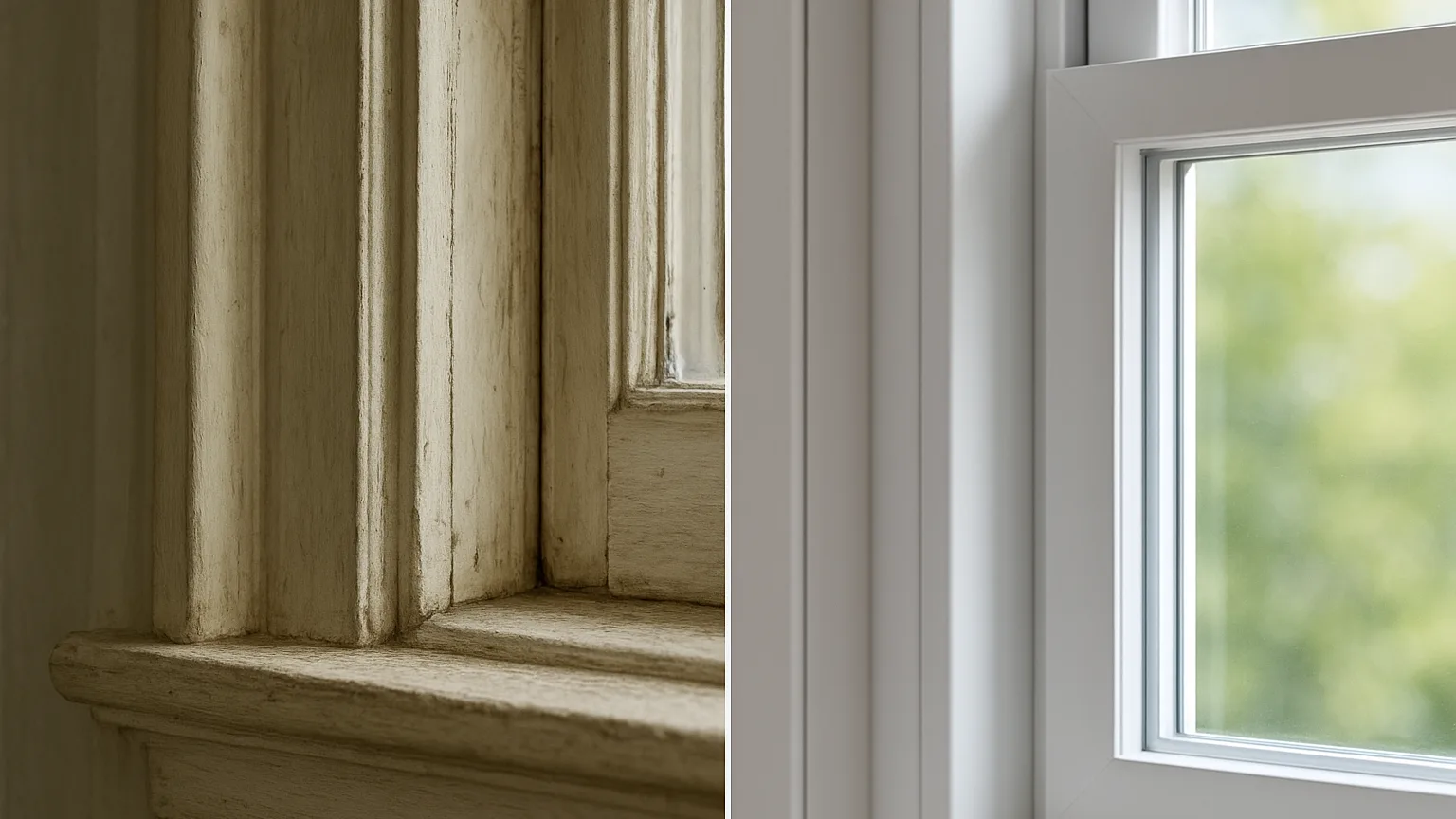
The Five Details That Give A Replacement Away
When I evaluate a facade, I am looking for a short list of tells. Every one of them is fixable at the specification stage and expensive to fix afterward.
- Fat meeting rails. The horizontal bar where the two sashes meet on a double hung was historically slim, often around an inch and a quarter. Many replacement units run two to three inches, sometimes with a lock rail bulge on top of that. A thick belt across the middle of the window is the loudest giveaway on any street.
- Flat glass with no depth. Original windows sat back in the opening, which threw a real shadow line. A unit set forward reads as a sticker. Shadow is free visual quality and most people give it away without knowing.
- Grids trapped inside the glass. Snap-in or between-the-glass grids have no edge, no shadow, and no weight. From twenty feet they look like a printed graphic. Simulated divided lites with an exterior bar and a spacer behind the glass cost more and read correctly.
- Missing sill horn and apron. That little projecting nose at the bottom of an old window sheds water and anchors the whole shape. Cap it in aluminum and the window looks like it is floating with no feet under it.
- Wrapped casing. Coil stock over original wood casing kills every profile, every bead, every reveal. It is sold as maintenance-free and it is, in the same way a photograph of dinner is calorie-free.
None of this is about being precious. It is about resale, insurance appraisals, and the plain fact that people can tell. Curb appeal is largely a proportion story, which is why thoughtful home renovations to boost curb value tend to focus on the elements the eye reads first from the sidewalk.
Rebecca's Field Note On Sightlines
Carpenter Miguel Ortega puts it this way on job sites: "Everybody argues about the glass package and nobody argues about the frame width. The frame is what you see from the street." He is right. Bring a tape measure to the showroom and measure the frame stack on the display unit yourself.
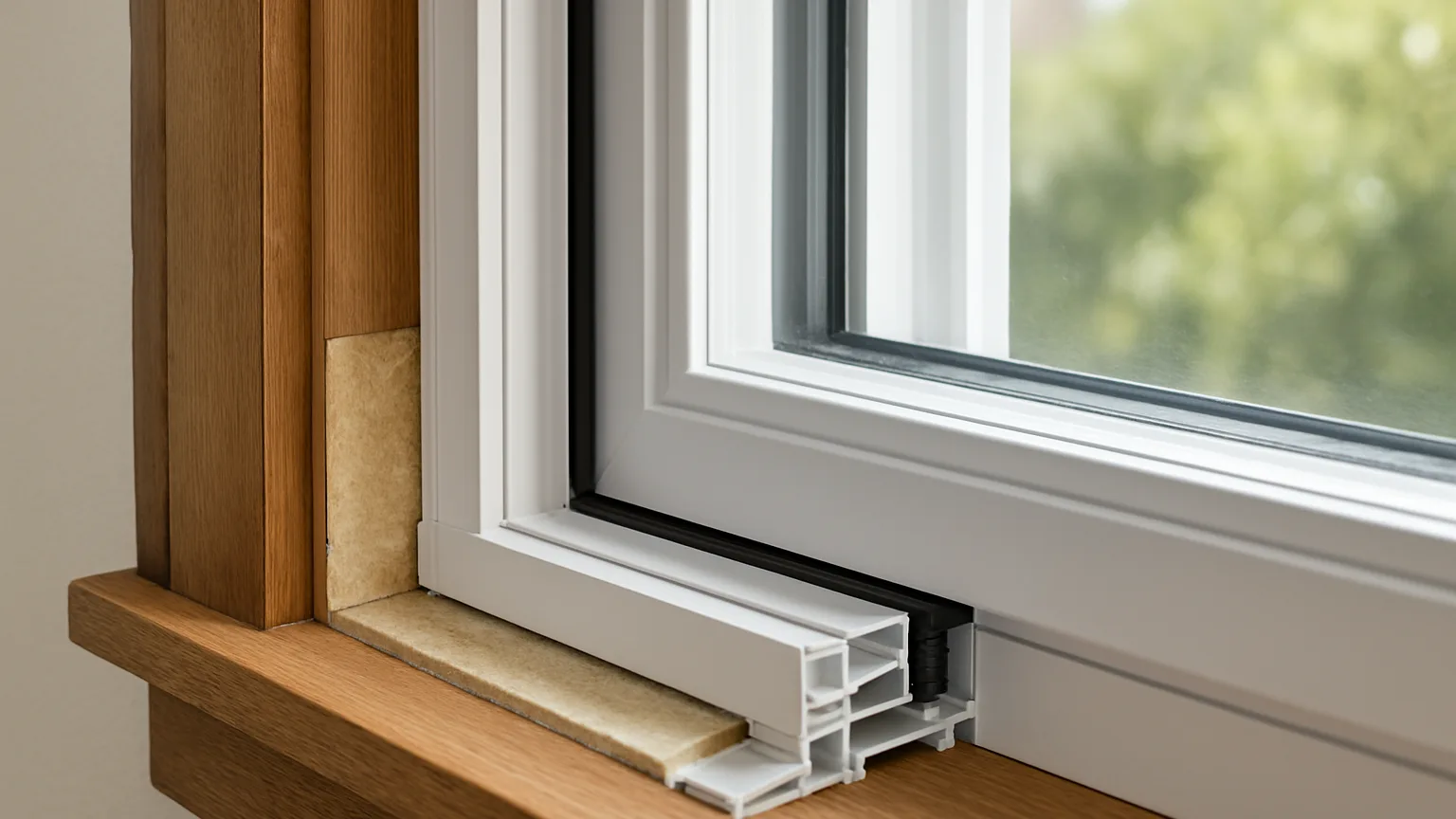
How To Audit Your Own Windows Before You Order
Do this before you sign anything. It takes about twenty minutes, it will change the conversation you have with your installer, and on an older house it often surfaces the permit surprise lurking behind what looks like a simple swap.
Step One: Stand Across The Street
Take a photo from directly across the road, straight on, not at an angle. Phones flatten things, which is useful here. Look at the picture, not the house. Notice how much of each opening is dark glass and how much is light frame. That ratio is what you are protecting.
Step Two: Measure Two Numbers
Measure the visible glass width and height on one existing window, not the rough opening. Write it down. Then ask the salesperson what the daylight opening will be on the proposed unit. If they cannot tell you, that is your answer about how the project will go.
Step Three: Tape The Difference
Put painter's tape on the inside of the glass at the new daylight dimension. Step back outside. Now you are looking at the actual result instead of a rendering. Homeowners who do this often switch products on the spot.
Step Four: Photograph The Trim Profile
Get a close shot of the casing edge, the sill, the drip cap, and the brick mold. If anything on the quote says wrap or cap, ask exactly what happens to those pieces. Sometimes a crew will find key factors to consider in the removal sequence that determine whether original trim survives at all.
Ask any installer with a good reputation to walk you through this and they will happily do it, since the ones worth letting past your door tend to lead with these questions instead of a discount clock.
A Trick For Judging Grid Quality
Stand at an angle to a sample window instead of straight on. Real exterior grid bars throw a visible shadow that shifts as you move. Grids sealed between the panes stay perfectly flat no matter where you stand. Designer Anne Ferraro calls it the ten-foot test, and it takes about four seconds to run in any showroom.
Specification Language That Actually Protects The House
Vague requests get vague results. Precise language on a contract is the cheapest design tool available.
Ask For Full Frame Where It Counts
Full frame replacement removes the old frame down to the rough opening. You get your glass back, you get to inspect the sill and framing for rot, and you get proper flashing. It costs more and takes longer, and it is a big reason window quotes double once the crew sees what is behind the casing. Consider doing it on the street-facing elevation and using inserts on the back and sides where nobody is reading proportion. Budgets are real, and spending the money where the eye lands is a legitimate strategy.
Put Numbers On The Details
- Specify a maximum meeting rail height in inches, not a style name.
- Specify glass setback from the exterior wall plane so you keep your shadow line.
- Specify simulated divided lites with exterior bars and internal spacer bars where grids are historically correct.
- Specify that original casing, sill, apron, and drip cap remain exposed and get repaired and painted, not wrapped.
- Specify sash proportion, meaning the upper and lower sash should match the original ratio, since many old homes used a taller upper sash.
Match Material To Climate, Not To Nostalgia
Historic accuracy does not require historic materials. Fiberglass and clad wood can hold slim profiles and handle heat, moisture, and movement far better than a painted softwood sash. This matters most in extreme climates where the glass package carries a heavy load, and the same logic applies when choosing energy-efficient windows and doors for a house that bakes all summer.
The material conversation and the proportion conversation are separate. You can have a modern, high performing window that reads perfectly on a 1912 facade. You just have to ask for it in writing.
Rebecca's Field Note On Sightlines
Carpenter Miguel Ortega puts it this way on job sites: "Everybody argues about the glass package and nobody argues about the frame width. The frame is what you see from the street." He is right. Bring a tape measure to the showroom and measure the frame stack on the display unit yourself.
The House Is Keeping Score
Everything that makes an older home feel like an older home lives in small dimensions. The depth of the reveal. The slimness of the rail. The little shadow under a sill horn. None of it shows up on a spec sheet with an energy rating, and none of it costs much if you catch it before the order goes to the factory. Lose an inch of glass on every side, cover the casing, flatten the grids, and you have technically improved the house while visibly downgrading it.
The fix is not complicated and it is not about spending the most money. It is about knowing which three or four dimensions matter, measuring them yourself, writing them into the contract, and then walking across the street when the job is halfway done to check. Do that and your windows will disappear into the house the way good windows always have, which is the highest compliment a replacement can earn. Nobody should notice them. They should just notice that the house still looks like itself.